In use
Soil sensors and a weather station
Soil moisture, temperature and salinity, the weather and disease risk — on your phone; irrigation switches on by sensor.
Russia availableVietnam available
AbsoFarm
Nine steps from soil to harvest: living soil, water drop by drop, your own seeds and a little tech where it saves effort.
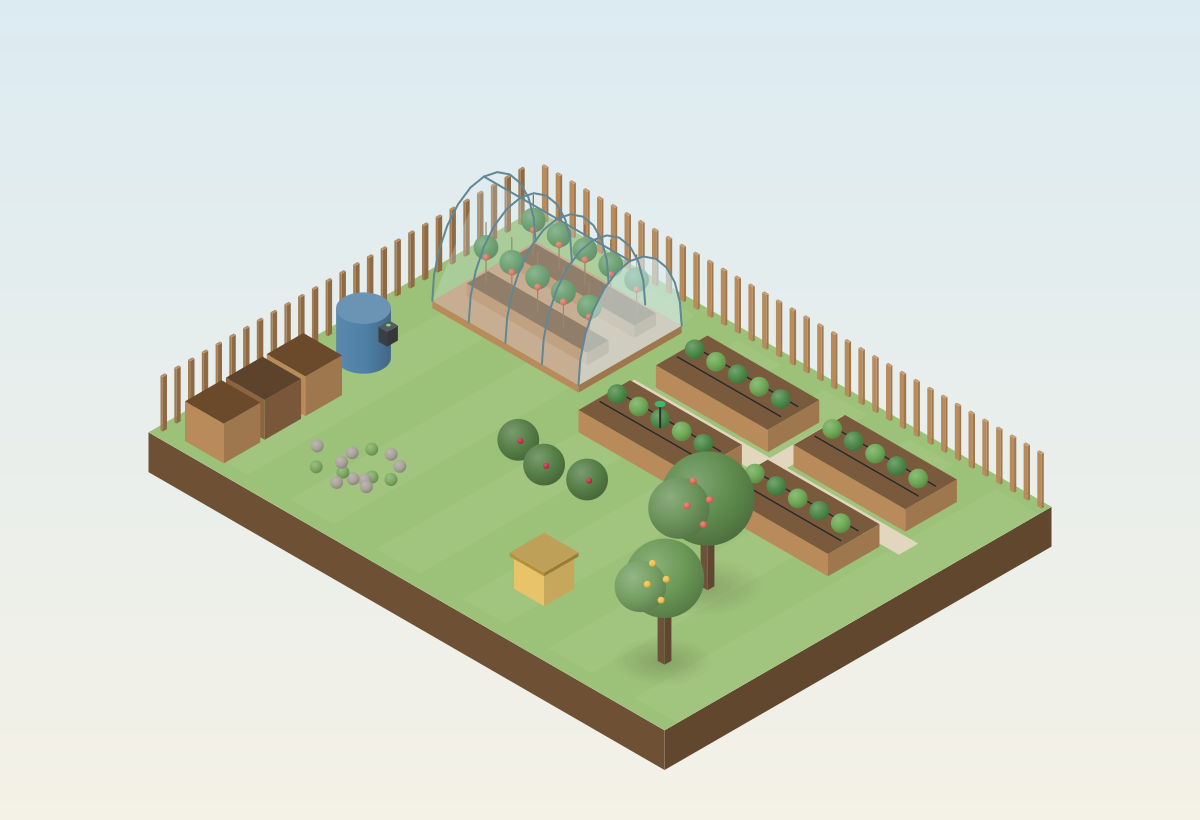
AbsoFarm illustration: a concept, not a photo of a real site
A soil test is the cheapest investment a garden can make: pH, organic matter, nitrogen, phosphorus, potassium. Use your region’s agrochemical lab or a quick field kit.
Without a test, fertilizing is a shot in the dark: the excess washes into the water, and what’s missing stays missing.
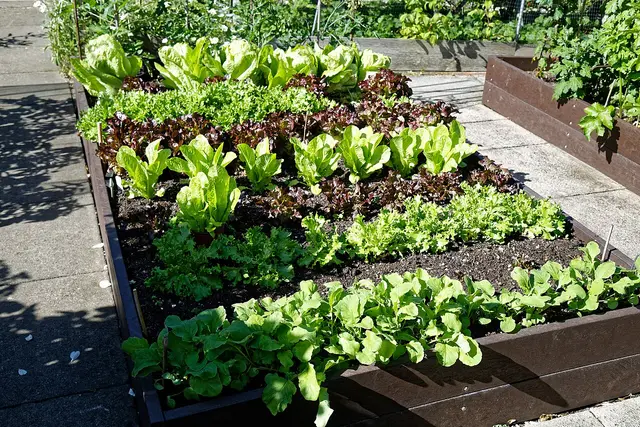
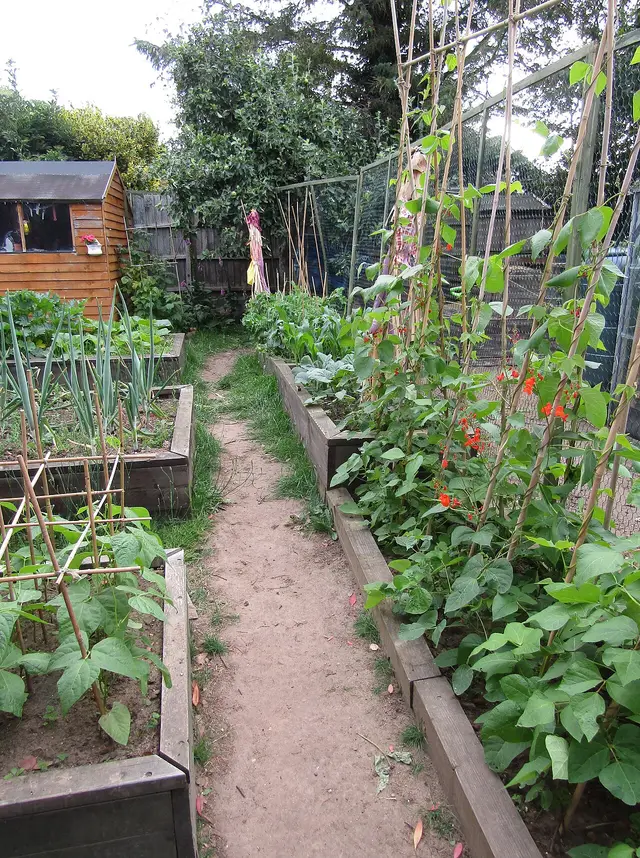
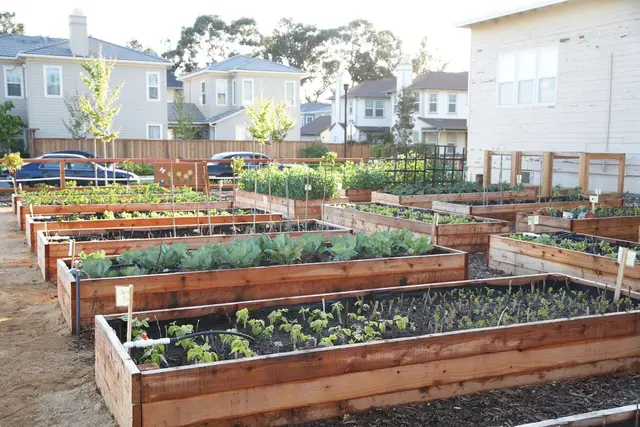
Permanent beds 0.8–1.2 m wide with paths between them: nobody walks on the beds, so the soil doesn’t get compacted. Crops swap places every year: root crops after cabbage, tomatoes after legumes.
A 25–40 cm frame warms up earlier, and a mulch of straw, grass or wood chips holds moisture and feeds soil life. Keep bare soil to a minimum.
Drip tape under the mulch and a timer on the tap: water goes to the roots, the leaves stay dry, and there is less disease. A rain barrel gives you free soft water.
The numbers on water savings from drip irrigation are in the “Trends” section.
Three bins: fresh, maturing, finished. Within a season, kitchen scraps, leaves and grass become the best fertilizer on your plot. Worm compost is faster and great for seedlings.
Regionally adapted varieties and hybrids for your climate. You can save local varieties and swap them with neighbors — that’s how a seed library of your own begins.
Selling seeds is regulated by law; swapping them for your own gardens is another matter. Details are on the “Russia” page.
A polycarbonate greenhouse extends the season by one to two months at each end. Seedlings under a grow light come out short and sturdy, not leggy.
Prevention first: crop rotation, healthy soil, insect netting, flowers for beneficial insects. Biologicals when needed; chemicals only by the label and only when there is a real reason.
A soil moisture sensor, a watering timer, a weather station, a camera in the greenhouse: you can see the garden from your phone, and the watering turns on by itself.
A starting point: exact timing depends on the year and the plot.
What pays for itself on a 600 m² plot.
Soil moisture, temperature and salinity, the weather and disease risk — on your phone; irrigation switches on by sensor.
Water and fertilizer go straight to the roots through tubes with emitters, on a schedule or by sensor.
Water from roofs and greenhouses goes into barrels, tanks and a storage pond for irrigation in the dry season.
Ballpark: Garden: a barrel and a downpipe; farm: a storage pond designed for the site
A low-cost frame with plastic film or netting: warmth and protection from downpours, wind and insects.
Grow lights for seedlings and LEDs in the greenhouse: the right spectrum for less energy.
Plants grow in rock wool, coir or a nutrient solution: feeding and water under control.
Microbes, fungi and predatory insects against diseases and pests; biostimulants for the roots and against stress.
Regionally adapted varieties resistant to disease, drought and salt — the cheapest yield technology.
Kitchen waste, manure and crop residue become fertilizer; worms speed up the process.
Ballpark: Almost free
Describe your plot, and we’ll choose the beds, irrigation and greenhouse for it.