Photo: Jazlihassan · CC BY-SA 4.0
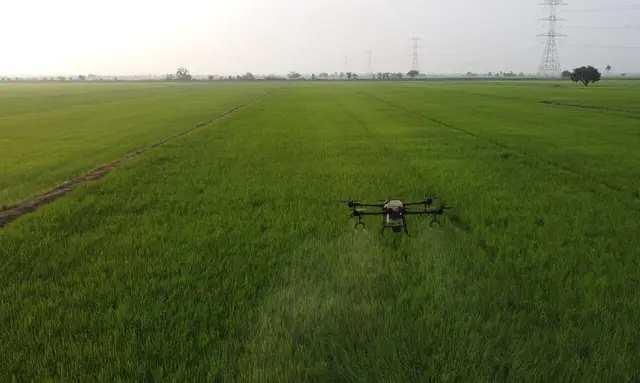
Spraying drone
Applies crop protection products and fertilizer, sows green manure: 20–25 ha an hour, with no wheel ruts or trampled rows.
FarmAgribusiness
Ballpark: DJI T100 in the USA: ≈$40,000 for a kit; a service in Vietnam: ≈120,000 dong per hectare
Russia difficultVietnam available
Details and numbers
Your own drone pays off from ≈400 ha treated a year; on smaller areas a service is cheaper. In Russia, flights happen in the 18 regions of the experimental legal regime, with a flight plan via ERA-GLONASS; DJI is not sold officially, and there are Russian models certified by Rosaviatsia. In Vietnam: registration, a tag and a pilot license.
Sources (6)
Tractor autosteer
Steers machinery across the field to within centimeters: no overlaps or gaps, day and night.
FarmAgribusiness
Russia availableVietnam difficult
Details and numbers
In the USA, autosteer runs on more than half of corn and soybean acreage, but only one in ten of the smallest farms has it. A kit fits older machinery too; Russia has its own systems.
Sources (2)
Driverless tractor
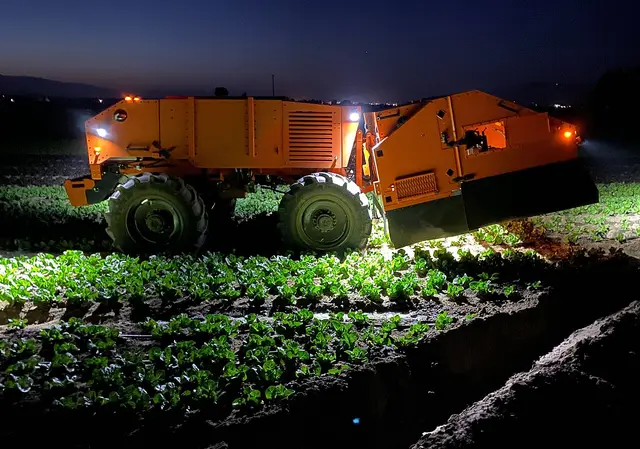
A robot tractor works the field on its own; one person monitors several machines from a phone.
Agribusiness
Ballpark: Tracked AgXeed: ≈£300,000
Russia difficultVietnam difficult
Details and numbers
AgXeed has about a hundred robots at work, Deere promises full autonomy by 2030, and Monarch Tractor shut down in 2025. Buy only with local service and spare parts.
Sources (4)
Satellite field maps
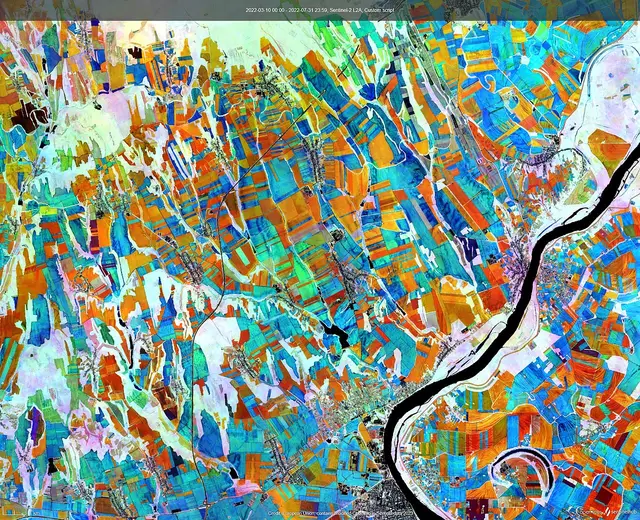
A vegetation map every 5 days: you see where the field is lagging before the agronomist even drives out.
FarmAgribusiness
Ballpark: Images: free; analytics: by subscription
Russia availableVietnam available
Details and numbers
Sentinel-2 images — 13 bands, down to 10 m per pixel — are open and free. Precision farming starts here: zones, soil samples, application rates.
Technology website ↗
Sources (2)
Soil sensors and a weather station
Soil moisture, temperature and salinity, the weather and disease risk — on your phone; irrigation switches on by sensor.
GardenFarmAgribusiness
Russia availableVietnam available
Details and numbers
Sensor-driven irrigation is an answer to drought and salt. In Vietnam only 9% of farms have such technology, and water is the main constraint. For a garden, a moisture sensor and a timer are enough.
Sources (1)
Drip irrigation and fertigation
Water and fertilizer go straight to the roots through tubes with emitters, on a schedule or by sensor.
GardenFarmAgribusiness
Russia availableVietnam available
Details and numbers
≈90% of the water reaches the roots, versus ≈60% with furrow irrigation (FAO). But if the “saved” water irrigates new fields, the region saves nothing — you need a meter.
Sources (2)
Rainwater harvesting
Water from roofs and greenhouses goes into barrels, tanks and a storage pond for irrigation in the dry season.
GardenFarm
Ballpark: Garden: a barrel and a downpipe; farm: a storage pond designed for the site
Russia availableVietnam available
Details and numbers
Free soft water and a reserve for droughts. On islands like Phu Quoc, where one reservoir serves everyone, it’s part of a farm’s resilience.
Sources (1)
Film and net greenhouses
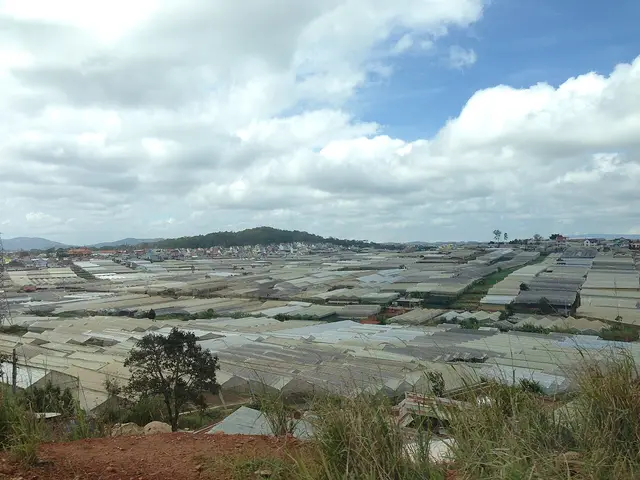
A low-cost frame with plastic film or netting: warmth and protection from downpours, wind and insects.
GardenFarm
Russia availableVietnam available
Details and numbers
That’s how Almeria works — more than 31,000 ha — and Vietnam, with 112,000 ha of greenhouses and net houses. In the tropics, netting; in Southern Russia, film.
Sources (2)
Glass greenhouse with supplemental lighting
Glass, a climate computer, LEDs, substrate and recirculated water: harvests all year round.
Agribusiness
Russia availableVietnam difficult
Details and numbers
The Netherlands harvests ≈48 kg of tomatoes per square meter a year. Russia has 3,460 ha of winter greenhouses, and the sector’s profitability in 2025 was 2%: what pays off is whatever saves energy and labor.
Sources (3)
LED grow lighting
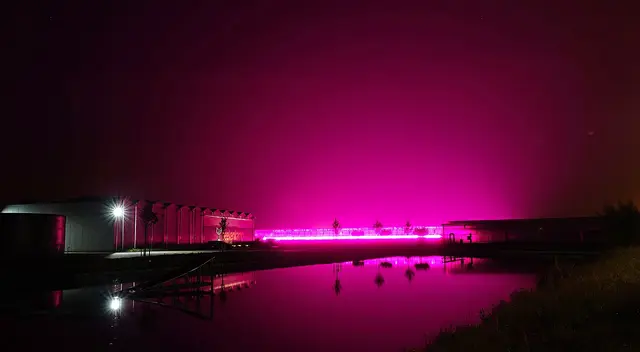
Grow lights for seedlings and LEDs in the greenhouse: the right spectrum for less energy.
GardenAgribusiness
Russia availableVietnam available
Details and numbers
Dutch growers who swap sodium lamps for LEDs buy less electricity. On a windowsill, a grow light keeps seedlings short and sturdy.
Sources (1)
Hydroponics and substrate
Plants grow in rock wool, coir or a nutrient solution: feeding and water under control.
GardenFarmAgribusiness
Russia availableVietnam available
Details and numbers
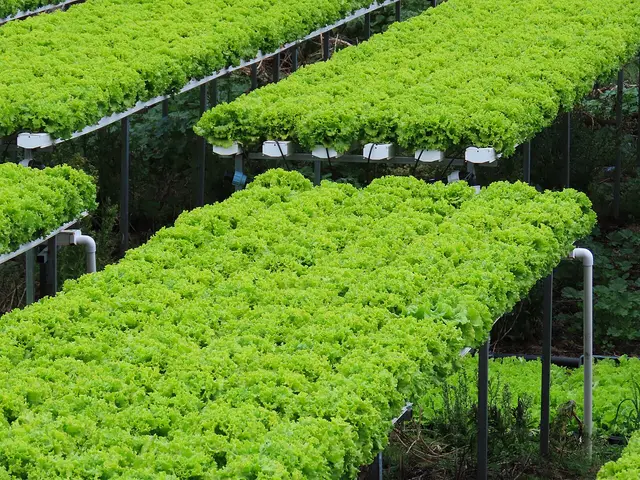
The basis of modern greenhouses. At home: anything from a wick pot to a rack of greens; on a farm: salad greens and herbs, if there is a sales contract.
Vertical farm
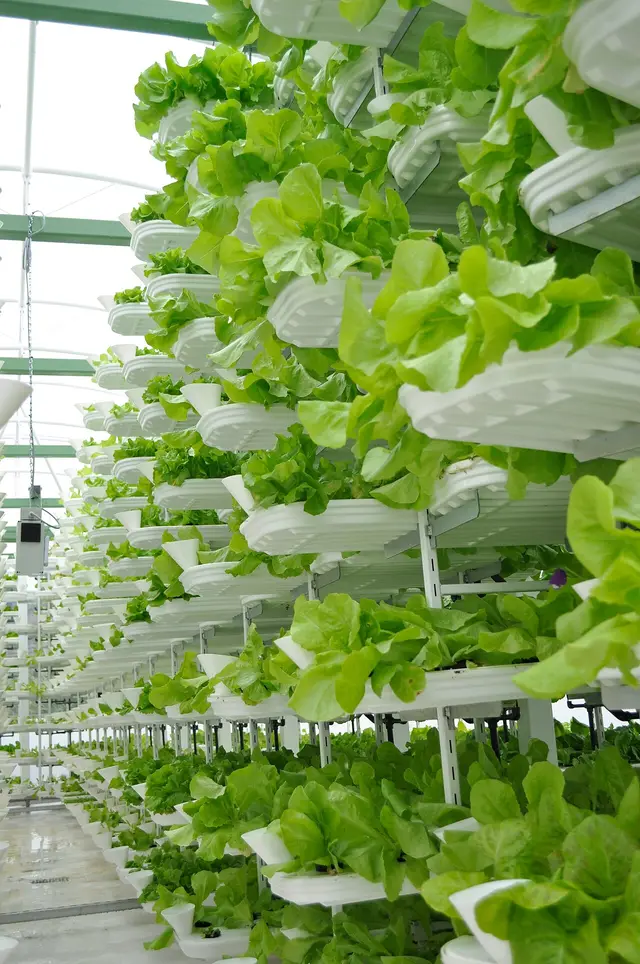
Racks under LEDs indoors: greens and microgreens close to the buyer.
FarmAgribusiness
Russia availableVietnam available
Details and numbers
AeroFarms, Infarm, Bowery and Plenty lost hundreds of millions of dollars in 2023–2025. A niche works: microgreens and salad greens with a sales contract, as at Japan’s Spread.
Sources (3)
Weeding robots
A camera recognizes the weed, and a laser or a blade removes it without herbicides.
Agribusiness
Ballpark: Laser robot: from ≈€1 million
Russia difficultVietnam difficult
Details and numbers
A laser robot saves up to ≈€800 per hectare a year compared with hand weeding (cases in the USA). It pays off only on high-value vegetables; sanctions make it hard to get Western models into Russia.
Sources (1)
Milking robot
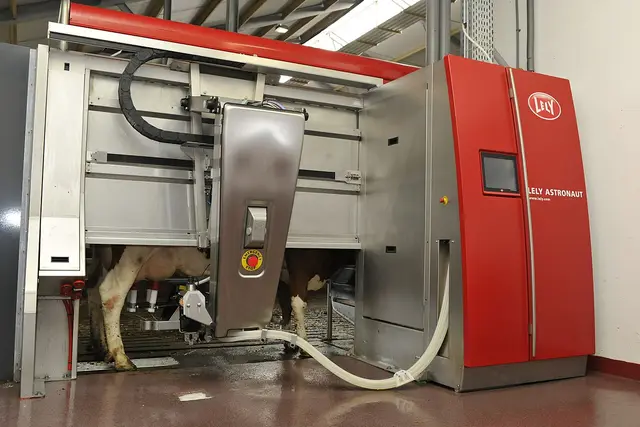
The cow comes to be milked on her own, whenever she wants; the robot milks her, measures the milk and keeps an eye on her health.
FarmAgribusiness
Russia difficultVietnam difficult
Details and numbers
Lely has installed its 50,000th Astronaut robot: ≈3 million cows in 50 countries. The technology is proven; for Russia, it comes down to the manufacturer’s sanctions policy and local service.
Sources (1)
Biologicals and beneficial insects
Microbes, fungi and predatory insects against diseases and pests; biostimulants for the roots and against stress.
GardenFarmAgribusiness
Russia availableVietnam available
Details and numbers
48% of the farmers surveyed use biostimulants and 41% use biocontrol (2026). In Almeria, beneficial insects work on 28,600 ha of greenhouses. Always leave a check strip: not every product has a proven effect.
Sources (4)
Varieties and hybrids for your climate
Regionally adapted varieties resistant to disease, drought and salt — the cheapest yield technology.
GardenFarmAgribusiness
Russia availableVietnam available
Details and numbers
In Russia, domestic seeds make up 67.6%, against a target of 75% by 2030; for sugar beet, 24%. Only varieties in the State Register of plant varieties may be sold (Federal Law 454-FZ); the law does not regulate swaps for your own gardens.
Sources (3)
Genome-edited varieties
Targeted gene edits without foreign DNA: resistance to disease and drought, flavor, shelf life.
Agribusiness
Russia difficultVietnam difficult
Details and numbers
In Japan a high-GABA tomato has been on sale since 2021; in England the rules have applied since 13.11.2025, and in the EU they apply from 17.07.2028. Some countries treat such varieties like conventional ones, some don’t: check the country’s rules before you sow.
Sources (4)
Compost and worm compost
Kitchen waste, manure and crop residue become fertilizer; worms speed up the process.
GardenFarm
Ballpark: Almost free
Russia availableVietnam available
Details and numbers
Organic matter goes back into the soil, not to landfill: the soil holds more water and nutrients. On a farm it’s feed too: larvae raised on waste for your own hens.
Agrivoltaics
Solar panels above the beds or along the field: power for pumps and cooling, partial shade for plants.
FarmAgribusiness
Russia difficultVietnam difficult
Details and numbers
Worldwide there are more than 14 GW of such plants (2021), up from 2.9 GW in 2018. In hot weather, partial shade can save water and the crop; the rules for siting them on farmland depend on the country.
Sources (1)
“Available” means sold and allowed; “difficult” means permits are needed, sanctions get in the way of supply, or there is no local service; “unavailable” means banned or impossible to get. Assessment as of 30.10.2026.