AbsoFarm · technology for the land

Grow the best — from garden bed to hectare.

What already works in farming around the world: drones, greenhouses, sensors, drip irrigation, your own seeds and living soil. Knowledge is free, selection and setup are on request, and the Absolute farms are built together with the community.

  • Russia, Vietnam and other countries
  • Every number has a source and a date
  • Knowledge is free; turnkey setup on request
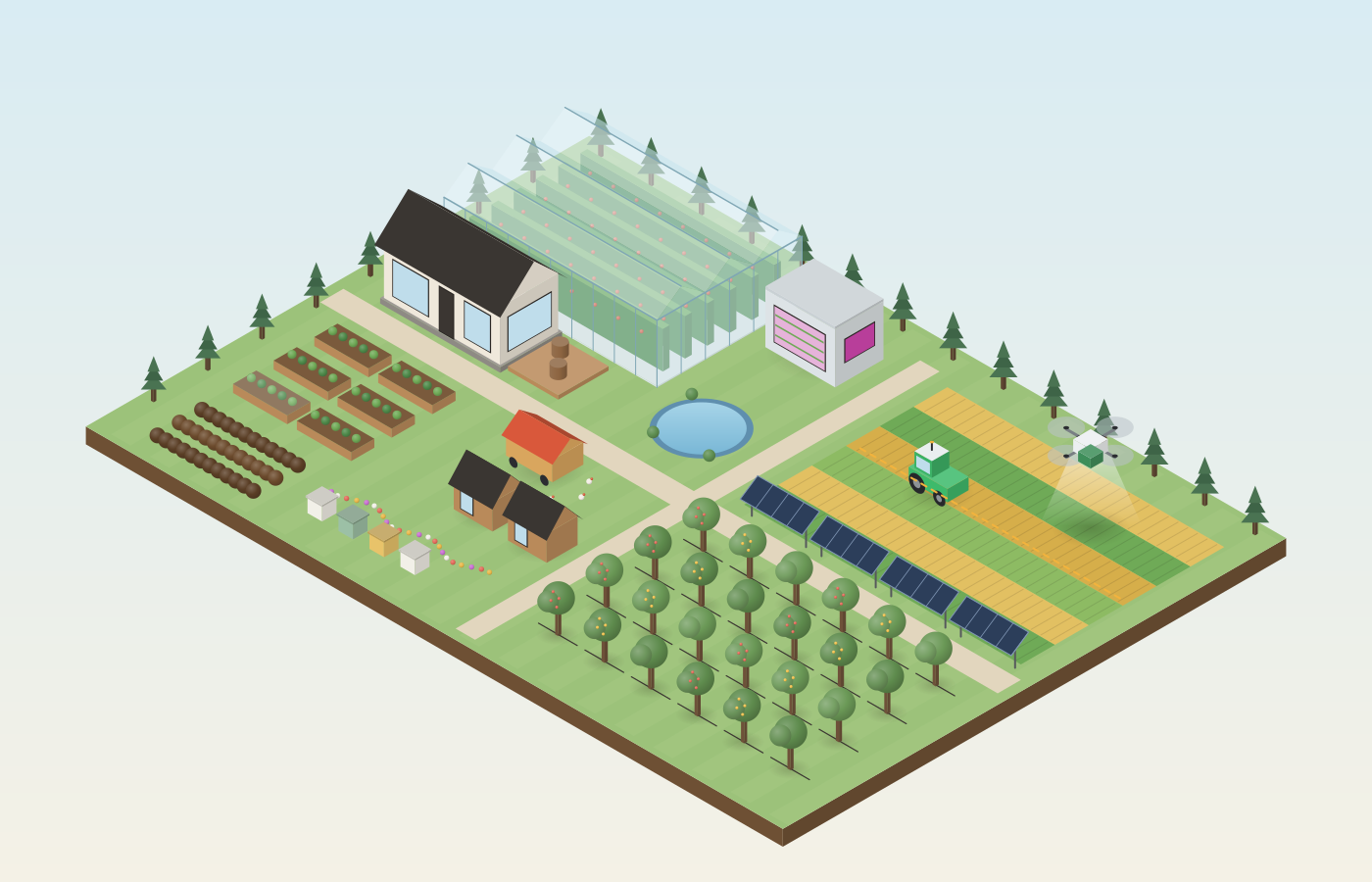
The ideal Absolute farm: twelve zones

AbsoFarm illustration: a concept, not a photo of a real site

What is changing farming right now

Trends with numbers — and an honest look at what didn’t take off.

Ag drones have gone mainstream

In use

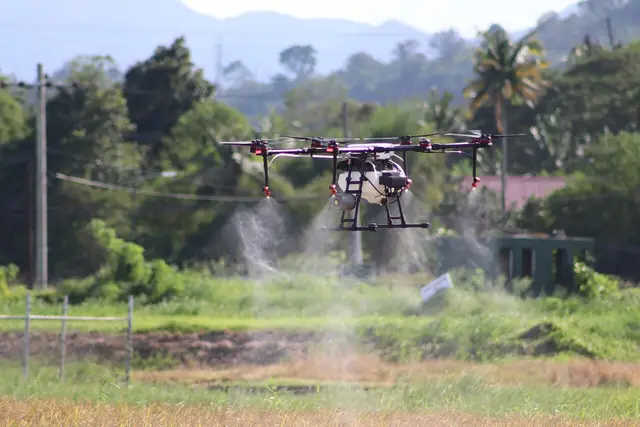
In five years the drone has gone from a curiosity to a working tool: spraying, fertilizing, seeding and imaging. Especially where fields are small, wet or on slopes.

  • More than 600,000 DJI ag drones in 100+ countries (company data, end of 2025).
  • China: more than 300,000 drones and ≈30.7 million ha treated a year (2025).
  • Russia: ≈600,000 ha treated in 2025; the target is ≈2 million ha a year by 2028.
  • Vietnam: about 7,000 ag drones (census of 01.07.2025).

What it means for you: On smaller areas it’s cheaper to hire a service: your own drone pays off from ≈400 ha treated a year.

Sources (5)

Greenhouses get more from every square meter

In use

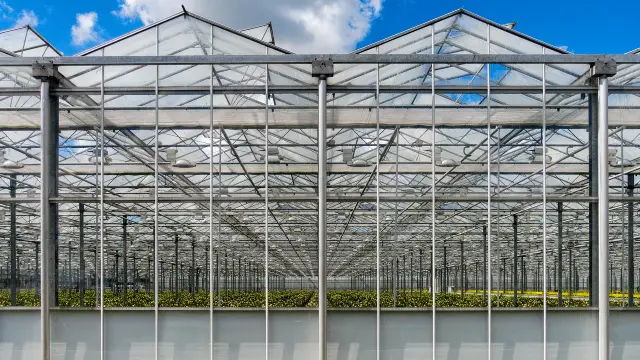
A climate computer, supplemental lighting, substrate and beneficial insects: a greenhouse grows many times more than open ground and uses less water per kilogram.

  • The Netherlands: ≈48 kg of tomatoes per m² a year (2024), a yield 13 times the world average.
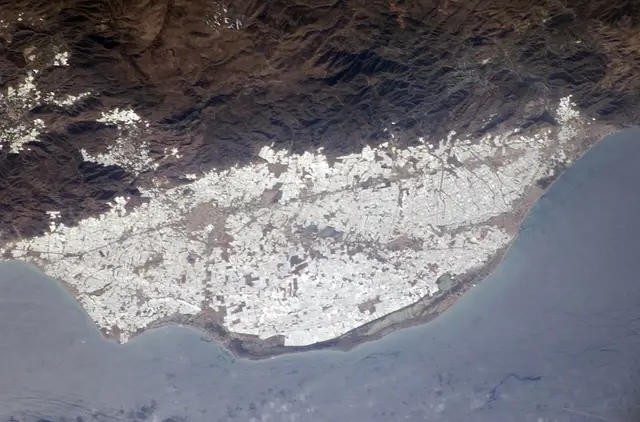
  • Almeria: 31,600 ha of low-cost plastic-film greenhouses and €4.1 billion in exports a season.
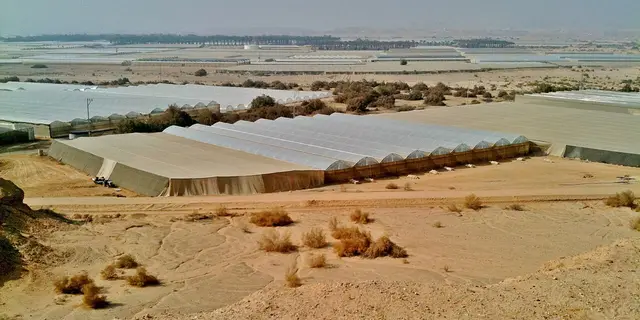
  • Vietnam: 112,300 ha of greenhouses and net houses, 27 times more than in 2016.
  • Russia: 3,460 ha of winter greenhouses and 1.66 million t of vegetables (2025).

What it means for you: For Southern Russia and the tropics, the Almeria model — a low-cost greenhouse and good management — is a closer fit than Dutch glass.

Sources (6)

Water by the drop and by the meter

In use

Droughts and salt make water a farm’s most important resource. Drip, sensors and recycled water are becoming the norm.

  • Drip irrigation gets ≈90% of the water to the roots; furrow irrigation, ≈60% (FAO).
  • Israel sends ≈90% of its treated wastewater to agriculture.
  • Mekong Delta, the 2019–2020 drought: 41,900 ha of rice hit by salt, 96,000 families without water.

What it means for you: Put in a meter: water saved on one field often goes to new fields, and the region as a whole saves nothing.

Sources (5)

Satellites, data and AI

In use

Free imagery, sensors and apps turn a field into a map: where it’s sick, where it’s short of nitrogen, where there’s too much water.

  • Sentinel-2: an image every 5 days, down to 10 m per pixel — free.
  • 49% of farmers use at least one agtech tool (a survey of 5,500 farmers in 10 countries, 2026).
  • 17% of the farmers surveyed use generative AI.
  • Bayer FieldView: more than 100 million ha of fields in 23 countries (11.2024).

What it means for you: Start with free maps; test variable application rates on strips first — results vary widely across studies.

Sources (4)

Biology in place of some chemistry

In use

Biostimulants, biocontrol and beneficial insects are no longer exotic: nearly one farmer in two uses them.

  • The biostimulant market: $4.47 billion (2025), growing ≈10% a year.
  • The biocontrol market: $9.8 billion, ≈$15 billion by 2032.
  • 48% of the farmers surveyed use biostimulants, 41% use biocontrol (2026).
  • Almeria: beneficial insects protect 28,600 ha of greenhouses.

What it means for you: Leave an untreated check strip: that’s how you see whether a product works on your field.

Sources (4)

Vertical farms: high-profile bankruptcies

Didn’t take off

Skyscraper farms under LEDs raised billions of dollars, and many have closed: light and climate cost more than the business plans promised.

  • Plenty: bankruptcy in 2025 after ≈$1 billion in investment.
  • Bowery: shut down in 2024 after more than $700 million in investment.
  • AeroFarms: bankruptcy in 2023; Infarm pulled out of Europe.
  • Japan’s Spread works: 30,000 heads of lettuce a day on an automated farm.

What it means for you: Only microgreens, salad greens and herbs — and only with a sales contract.

Sources (5)

All trends

Tech radar

Status, scale, price and the main thing: whether you can get it in Russia and Vietnam.

In use

Spraying drone

Applies crop protection products and fertilizer, sows green manure: 20–25 ha an hour, with no wheel ruts or trampled rows.

FarmAgribusiness

Ballpark: DJI T100 in the USA: ≈$40,000 for a kit; a service in Vietnam: ≈120,000 dong per hectare

Russia difficultVietnam available
In use

Satellite field maps

A vegetation map every 5 days: you see where the field is lagging before the agronomist even drives out.

FarmAgribusiness

Ballpark: Images: free; analytics: by subscription

Russia availableVietnam available
In use

Soil sensors and a weather station

Soil moisture, temperature and salinity, the weather and disease risk — on your phone; irrigation switches on by sensor.

GardenFarmAgribusiness
Russia availableVietnam available
In use

Drip irrigation and fertigation

Water and fertilizer go straight to the roots through tubes with emitters, on a schedule or by sensor.

GardenFarmAgribusiness
Russia availableVietnam available
In use

Glass greenhouse with supplemental lighting

Glass, a climate computer, LEDs, substrate and recirculated water: harvests all year round.

Agribusiness
Russia availableVietnam difficult
In use

Weeding robots

A camera recognizes the weed, and a laser or a blade removes it without herbicides.

Agribusiness

Ballpark: Laser robot: from ≈€1 million

Russia difficultVietnam difficult

The full radar

Absolute farms

A community farm: a greenhouse, a field, an orchard, an apiary, the AbsoFood kitchen and a farm school. Choose a number to see what’s in each zone.

The ideal Absolute farm: twelve zones123456789101112

AbsoFarm illustration: a farm concept, not a photo of a real site. Choose a number on the picture or a zone in the list.

How the farm works Take part

Common questions

What is AbsoFarm?

An Absolute group project about high-tech farming: knowledge of what works around the world, selecting and launching technology on request, and community farms.

Is it free?

The trends, the radar, the model farms and the garden guide are free. Audits, supply, setup and training are paid; the price comes after your request, once we know the task.

Can I buy an ag drone through AbsoFarm?

Selection and supply are on request, and only for machinery that can be legally imported and used in your country. In Russia, flights depend on the region and on permits — we check that first.

Is it worth getting in touch about a small 600 m² garden?

Yes. For gardens there is the guide, the demo beds at the Absolute farms and a turnkey garden together with AbsoHouse.

Where are the Absolute farms?

At the project stage: the first ones near Sochi and Krasnaya Polyana and on Phu Quoc, next to future Absolute centers. Right now we are looking for land and people to take part.

How do I invest in a farm?

Through the application to take part: after it comes getting to know the project, then a contract. The site does not accept money and does not promise returns.

What about other countries?

Russia and Vietnam come first; requests from other countries are welcome too: knowledge and selection work anywhere, supply wherever it’s legal.

Where do the numbers come from?

From open sources — every number has a link and a date. The farm project’s benchmarks are marked as benchmarks.

Tell us about your land

A garden, a farm or an agricultural holding — describe the task. We’ll reply with options and a ballpark price.

What you need
Scale
Units
Best way to reach you